
About Us
Premium Finance Group Australia
Since 1998, Premium Finance Group Australia has been helping business owners, individuals and families across Australia secure finance with confidence.
What began in Townsville has grown into a trusted brokerage known across Australia for delivering practical advice, tailored lending soultions and exceptional client service.
Whether you're expanding your business, starting a new one, financing vehicles and equipment, investing in property or your home, we take the time to understand your goals and recommend lending solutions that genuinely work for you.
With access to an extensive panel of Australia's leading lenders, we compare competitive options for finance that supp0orts your long term success, not just todays transaction.
Real experiences from Australian businesses we’ve helped finance and grow.
Customer Google Review
Frequently Asked Questions
What makes you different from going directly to a bank?
A bank can only offer its own products and policies. As a broker, PFGA compares banks, credit unions and specialist lenders, so if one lender declines an asset or sets tough terms, another may consider it. We explain what each lender looks for and structure the finance around your cash flow before you apply.
How much deposit do I need for truck or equipment finance?
It depends on the lender, the asset and your business profile. Some deals need a deposit and others may not, and a trade-in or equity in existing equipment can sometimes be used instead. Older or specialised assets often come with stricter lender rules. Speak with a PFGA broker to check what is likely for your situation.
What's the difference between a chattel mortgage and hire purchase?
Both spread the cost over fixed repayments, and the asset often acts as security. With a chattel mortgage, you generally own the asset from day one and the lender holds a mortgage over it. With hire purchase, the finance company generally owns the asset until the final payment is made. Tax treatment differs, so speak with your accountant.
What is a balloon payment and do I need one?
A balloon, or residual, is a lump sum due at the end of the finance term. It lowers your repayments during the term, but you will need to pay it out, refinance it or settle it at the end. Not every business needs one. We can show you how repayments compare with and without a balloon
Can I finance a second-hand truck, excavator or work vehicle?
Often, yes. Many lenders finance used assets, but each has its own rules on the age of the asset, its age at the end of the term, its condition, and whether it is bought from a dealer or a private seller. Tell us about the asset and we will check which lenders are likely to consider it.
Can I get asset finance if I'm a new business or have had credit issues?
Possibly. Lenders look at your trading history, credit history, financial position and the asset being financed. A newer business or past credit issue can limit your options or change the terms, but specialist lenders often have different policies to banks. We will tell you what is likely before you apply. All finance is subject to lender approval.
What documents do I need to apply for asset finance?
Commonly you will need photo ID, details of the asset such as a quote or invoice, and your business details including your ABN. Depending on the lender and the amount, you may also need bank statements, financials or tax returns, and some lenders offer low doc options for eligible applicants. We will confirm exactly what is needed before you apply.
How long does asset finance approval take?
It varies with the lender, the loan size and how complete your application is. Straightforward applications can move quickly, while larger or more complex ones take longer. Having your documents ready helps. We manage the application through to settlement and keep you updated along the way.
Can you help refinance or restructure existing equipment loans?
Yes, we can review your existing vehicle and equipment finance and look at whether refinancing or restructuring could improve your cash flow, for example by adjusting the term or repayments. We also consider fees, any break costs and the terms of your current contract, so you can see the full picture first.
Latest Articles

Fast Business Loan Approval Australia: Realistic Timeframes
Understand fast business loan approval in Australia. We explain realistic timeframes, lender speeds and how to prepare your file for quicker funding. ...more
Business Finance
November 02, 2026

Unsecured Business Loan No Property Security Explained
Need an unsecured business loan with no property? We explain limits, risks and eligibility to help you make informed finance decisions. ...more
Business Finance
October 29, 2026

Business Acquisition Loan Broker Australia: Structuring Funding
A Business Acquisition Loan Broker in Australia structures funding to match asset mix and lender policy, protecting your credit file from declined applications. ...more
Business Finance
October 26, 2026

Business Vehicle Finance: Aligning Loans With Cash Flow
Align business vehicle finance with your cash flow cycle. We help structure repayments around seasonal revenue to protect working capital and growth. ...more
Business Finance
October 23, 2026
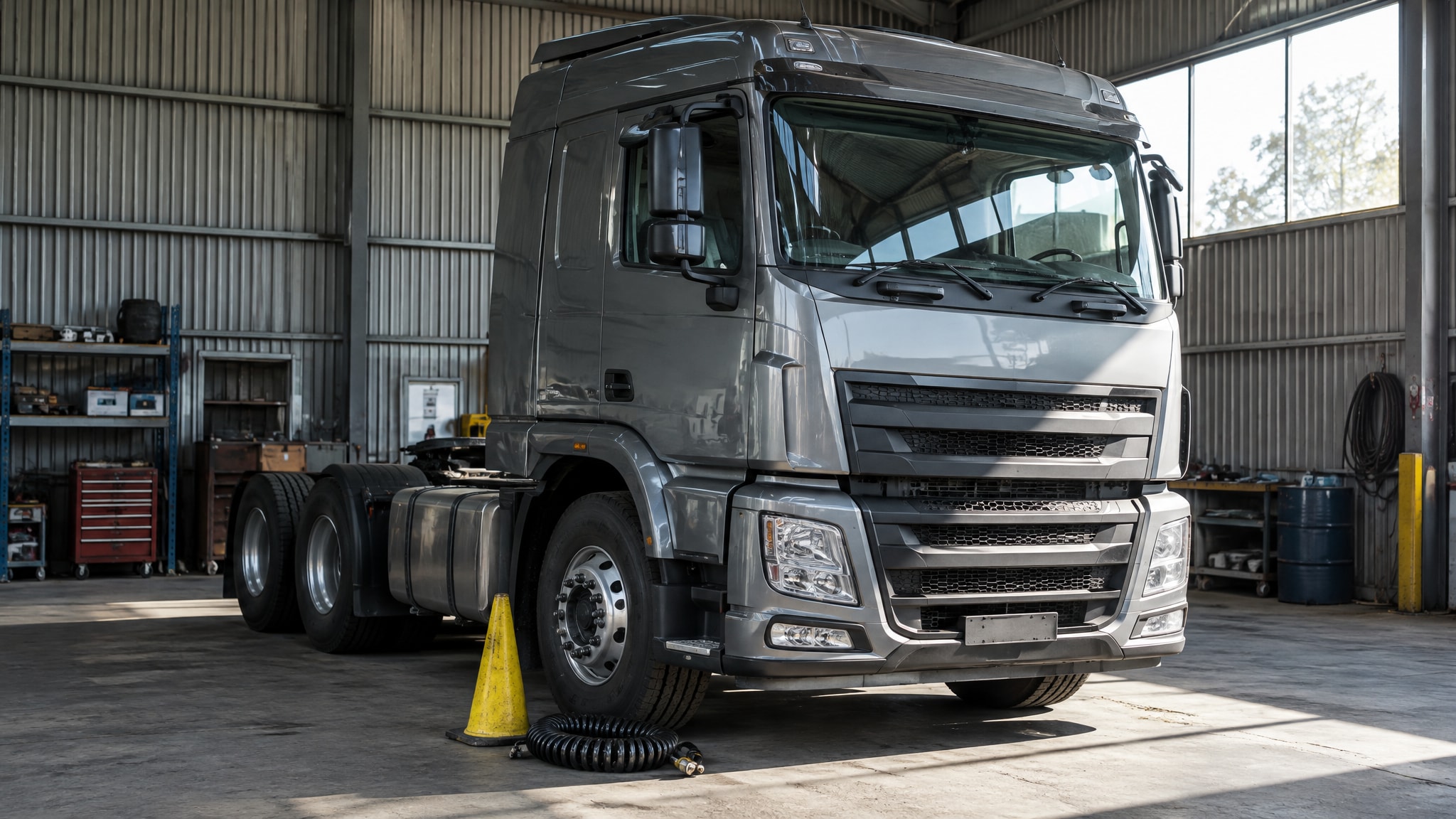
Equipment Finance Vs Chattel Mortgage: Which Suits You?
Compare Equipment Finance vs Chattel Mortgage to match your cash flow. We explain GST credits, ownership and repayment terms for Australian businesses. ...more
Business Finance
October 21, 2026

Commercial Property Refinance Broker: Why Use One
A Commercial Property Refinance Broker accesses diverse lenders to structure debt around your cash flow. See why we secure better outcomes than a single bank. ...more
Business Finance
October 19, 2026



Key Service Areas
Connect
Toll Free: 1800 574 055
Email: [email protected]
Hours: Mon - Fri 8:30am - 5:00pm AEST
Townsville | Brisbane | Sydney | Melbourne | Adelaide
Premium Mortgage Management Pty Ltd ABN: 89 114 404 090 Australian Credit Licence #386814
© 2026 Premium Finance Group Australia. All rights reserved. | Privacy Policy