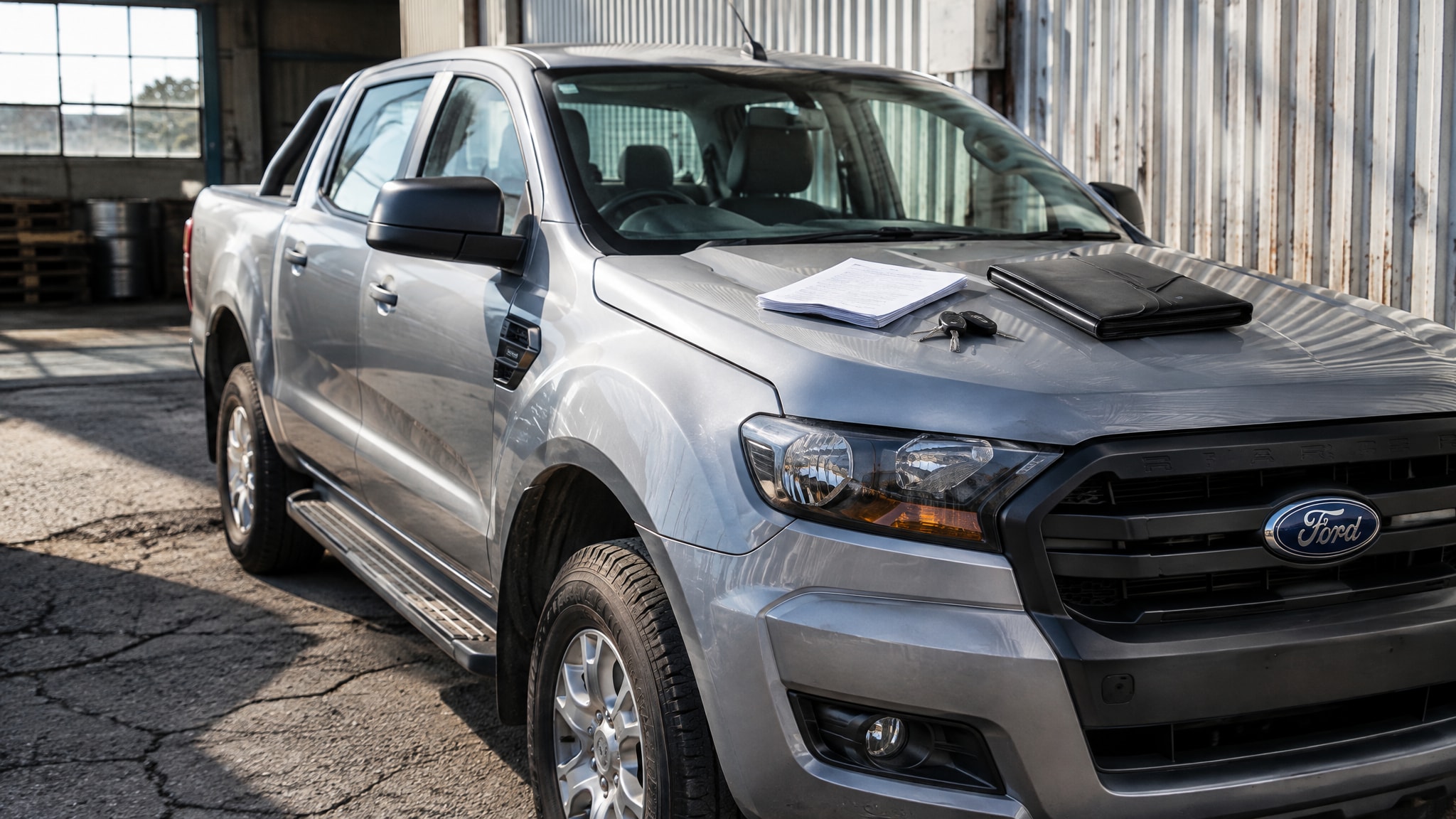
Commercial Vehicle Finance for Business: Structuring Loans
A single ute and a fleet of vans look like different problems. They usually aren't. In both cases the decision that costs or saves the most money is how the finance is structured, and that decision gets made before most owners have compared anything beyond the advertised rate.
Key takeaways
- Structure, more than the headline rate, decides who owns the vehicle, how GST flows through your BAS and what happens at the end of the term.
- A balloon or residual lowers each instalment but leaves a larger sum or a decision at the end, so it moves cost rather than removing it.
- Under a chattel mortgage or hire purchase the business is generally treated as owner, while a finance lease is not a loan and the lessor owns the vehicle.
- A fleet adds a whole-of-business lender assessment, while tax, GST and business use are still worked out vehicle by vehicle.
- Each formal application can leave a credit enquiry, so understanding borrowing capacity and comparing structures comes before you lodge anything.
We're a commercial finance brokerage, so we see the same pattern often. A business owner finds a rate they like, signs, and only later finds out what the structure meant for GST, ownership and the end of the term.
Structuring commercial vehicle finance for a single work vehicle
The structure you choose, more than the headline rate, decides who owns the vehicle, how repayments and GST flow through your business and what happens at the end of the term. So compare total cost, not just the rate.
Vehicle finance structures compared
| Chattel mortgage | Hire purchase | Finance lease | Operating lease | |
|---|---|---|---|---|
| Ownership | Business, from day one | Financier until final payment | Lessor | Lessor |
| Security | Lender, registered on PPSR | Financier holds title | Lessor owns the vehicle | Lessor owns the vehicle |
| End of term | Pay balloon, refinance or sell | Pay final sum or option fee | Options set by the contract | Usually return the vehicle |
| Main risk | Repossession if repayments | Repossession; final payment | Contract end conditions | No ownership; usage terms |
| Tax and GST | Depreciation and interest | Depreciation and interest | Lease payments; see below | Lease payments; see below |
The easiest way to see this is to follow one vehicle from purchase to the end of the term. This is a hypothetical case. A GST-registered sole trader electrician needs one new work ute for daily jobs. He wants lower regular repayments, and he may upgrade to a newer ute later.
Chattel mortgage. A chattel mortgage is a loan where the business buys and owns the vehicle from day one, and the lender takes security over it, usually registered on the Personal Property Securities Register (PPSR). Our electrician pays the supplier, owns the ute and makes instalments to the lender. To lower those instalments, he could agree a balloon: a lump sum fixed at the start and payable at the end of the term. At the end he pays the balloon, refinances it or sells the ute to clear it.
Hire purchase. Day to day, hire purchase feels much the same. He drives the ute and pays instalments. The difference is title: the financier keeps ownership until he makes the final payment, or pays an option fee where the contract includes one. Until then, selling or trading the ute isn't straightforward.
Finance lease. A finance lease isn't a loan. The lessor owns the ute and the business pays for its use. A residual, which is the vehicle's agreed value at the end of the lease, sets how much lower the payments run, and what happens at the end depends entirely on the contract. Some leases let him buy the ute for the residual, some allow an extension and some require him to hand it back. Because he expects to upgrade, that end-of-term clause matters more to him than the rate.
An operating lease sits further along the same line. The lessor expects to take the vehicle back, so it suits a business that wants the use of a vehicle without ever owning it.
What the trade-offs look like on that one ute
A balloon or residual lowers each instalment, but it leaves a larger sum or a decision waiting at the end. It doesn't make the ute cheaper. It moves part of the cost to later.
Two quotes with the same rate can cost very different amounts. Establishment and account fees, the length of the term, the size of any balloon or residual, and the end-of-term conditions all change what the ute costs the business. A lease may add charges for excess use or condition, and a longer term lowers instalments while adding interest. That is why business vehicle loan rates alone don't settle the choice.
The vehicle is also the security. If repayments are missed, the lender or lessor can repossess the ute, and an electrician without a ute can't earn the income that services the debt.
| Chattel mortgage | Hire purchase | Finance lease | Operating lease | |
|---|---|---|---|---|
| Ownership | Business, from day one | Financier until final payment or option fee | Lessor | Lessor |
| Security | Lender, registered on PPSR | Financier holds title | Lessor owns the vehicle | Lessor owns the vehicle |
| End of term | Pay balloon, refinance or sell | Pay final sum or option fee to take title | Options set by the contract | Usually return the vehicle |
| Main risk | Repossession if repayments missed | Repossession; final payment due | Contract end conditions | No ownership; usage terms |
| Tax and GST | Depreciation and interest; see below | Depreciation and interest; see below | Lease payments; see below | Lease payments; see below |
Approval, pricing and eligibility depend on your trading history, your financials and the vehicle itself, and nothing here is guaranteed. A structure also can't fix a business that can't comfortably service the repayments. A balloon lowers the instalment, not the cost of the vehicle.
Tax and GST: what each structure changes for your business
This is general information, not tax advice, and your accountant should confirm the treatment before you choose a structure.
Under a chattel mortgage or hire purchase, the business is generally treated as the owner. That usually means claims for depreciation on the vehicle and for the interest in each instalment. A GST-registered business can usually claim the GST credit on the purchase on its BAS up front, rather than spread over the term. For our electrician, that credit can ease cash flow early on.
Under a finance lease the pattern flips. The business generally claims the lease payments as a deduction rather than depreciation, and GST is charged on each payment, so the credits arrive gradually with each BAS.
Two other points shift the numbers. Only the business-use share of a vehicle is claimable, so a ute that also does the school run won't be treated like one used only for jobs. How the vehicle is classified for tax, which turns on its design and carrying capacity, can also change the limits on depreciation and the GST credit. Any concessions available at the time you buy can change the picture too.
The same ute can look quite different after tax depending on the structure. Ask your accountant to run the comparison with your actual numbers.
Fleet and truck finance for business: what changes at scale
Everything above still applies when you add vehicles. Two things change: the lender looks at the whole business, and tax and GST are worked out vehicle by vehicle.
Consider another hypothetical. A small trades business already has a couple of vehicles and is adding light vans. It puts the vans it expects to keep for years on a chattel mortgage and the ones it plans to swap sooner on a lease. The lender doesn't assess each van in isolation. It reviews the whole business, including cash flow and existing debt, so earlier agreements count against the next one.
Depending on the lender, fleet finance for Australian businesses can be one facility covering several vehicles or a separate agreement for each. A mix of structures can suit vehicles with different working lives, although more agreements also mean more end dates and more conditions for you to track.
Meanwhile the tax side stays granular. Business use, classification and the GST position are worked out for each vehicle, so keep separate records for each one rather than treating the fleet as a single asset.
Heavy trucks tend to be assessed differently again. For truck finance for business, lenders often put more weight on the truck's age, condition and resale market, so a well-maintained truck that's easy to resell can be viewed more favourably than a specialised or older one. We can't promise how any lender will see a particular truck.
A novated lease for a business vehicle is a separate matter. It involves an employee, so it isn't a substitute for financing vehicles the business buys for its own use.
Understand your borrowing capacity before you lodge applications
Each formal application can leave a credit enquiry on your file. Several applications to find out what's possible can therefore work against you, which is why we start with understanding your borrowing capacity rather than lodging in sequence and hoping.
A bank can be a sensible first call, especially if you've banked with it for years. It's still only one option. A broker can compare structures and lenders side by side before anything is lodged, and that's the part a single bank can't do for you.
We're a broker, not a lender. We work across banks, non-bank lenders, private financiers and specialist commercial lenders, and we begin with your financial position, your funding objectives and what you need the vehicle to do. Only then do we look at which structures and lenders might suit.
Eligibility and pricing depend on your trading history, your financials, your existing debt and the vehicle, and no outcome is guaranteed.
If you're weighing a chattel mortgage against a lease, or planning to add vehicles, we'd like to talk before you apply anywhere. Bring a vehicle quote and your recent financial details, and we'll walk you through your borrowing capacity and the structures worth comparing. Accountants are welcome to join the conversation, because the tax treatment should shape the structure rather than follow it.
Frequently asked questions
Is a chattel mortgage better than a lease for a work ute?
Neither is better across the board. A chattel mortgage suits a business that wants to own the ute from day one and claim depreciation and interest. A finance lease may suit one that wants the use of the vehicle and a set end-of-term option. Your accountant should compare the tax effect before you decide.
Is hire purchase the same as a chattel mortgage?
They feel similar day to day, but title differs. With a chattel mortgage you own the vehicle from the start and the lender holds security over it. With hire purchase the financier keeps title until the final payment or option fee.
Does the lowest business vehicle loan rate mean the lowest cost?
No. Fees, the term, any balloon or residual and end-of-term conditions all change what the vehicle costs your business. Compare the total cost over the whole term and at the end, not just the rate.
Can a fleet be financed under one facility?
Sometimes. Depending on the lender, a fleet may sit under one facility or on separate agreements for each vehicle. Either way, the lender reviews the whole business, while tax and GST are worked out vehicle by vehicle.
Does applying to several lenders affect my credit file?
Each formal application can leave a credit enquiry on your file. That's why we suggest working out your borrowing capacity and comparing structures first, then applying where it makes sense. Approval is never guaranteed.