Equipment Finance Vs Chattel Mortgage: Which Suits You?
Choosing between equipment finance and a chattel mortgage comes down to cash flow timing and legal ownership, not just headline interest rates. Business owners often use these terms interchangeably when researching asset finance, but the structural differences decide when you can claim GST credits and how the asset sits on your balance sheet from day one. A chattel mortgage transfers title to your business immediately and unlocks an upfront GST credit. Other equipment finance structures typically leave ownership with the lender until the final payout, spreading the tax benefit across the loan term instead.
Key Takeaways
- A chattel mortgage on a $200,000 truck enables an immediate $18,182 GST credit claim on the next BAS, while non-ownership structures spread this benefit over the loan term.
- Standard chattel mortgage repayment terms at major Australian lenders typically range from two to five years, aligning with asset depreciation schedules rather than arbitrary caps.
- Specialist asset finance arrangements can achieve approval and settlement within 24 hours when the application is structured around business income and asset strength.
- Australian businesses committed an estimated $158.4 billion in new capital expenditure for 2026-27, making consistent finance structuring critical for multi-asset acquisition plans.
That distinction matters most when the spend is large and working capital is tight. Understanding the mechanics lets you match your borrowing structure to your actual cash flow and tax position before you submit any applications. We help business owners work through this choice regularly, because getting the structure wrong at application stage can lock you into a repayment cycle that doesn't suit how your business actually runs.
Ownership and GST Treatment in Equipment Finance vs Chattel Mortgage
The main difference in the equipment finance vs chattel mortgage decision is when ownership transfers, and what that does to your GST position. Under a chattel mortgage, your business takes legal title at settlement while the lender holds a mortgage over the asset as security. You own it from the moment funds are released. That immediate ownership is what triggers your entitlement to claim the full GST component of the purchase price on your next Business Activity Statement, provided you meet the standard eligibility criteria for input tax credits. Standard equipment loan structures or finance leases work differently: the lender retains ownership during the term, which generally rules out an upfront GST claim and spreads the tax benefit through deductible lease payments or depreciation over the following years instead.
Equipment Finance vs Chattel Mortgage Comparison
| Feature | Chattel Mortgage | Non-Ownership Finance | |
|---|---|---|---|
| Ownership | – | Immediate at settlement | Lender retains until payout |
| GST Claim | – | Full credit on next BAS | Spread over loan term |
| Typical Terms | – | Two to five years | Often longer nominal terms |
| Settlement Speed | – | Within 24 hours possible | Weeks for bank facilities |
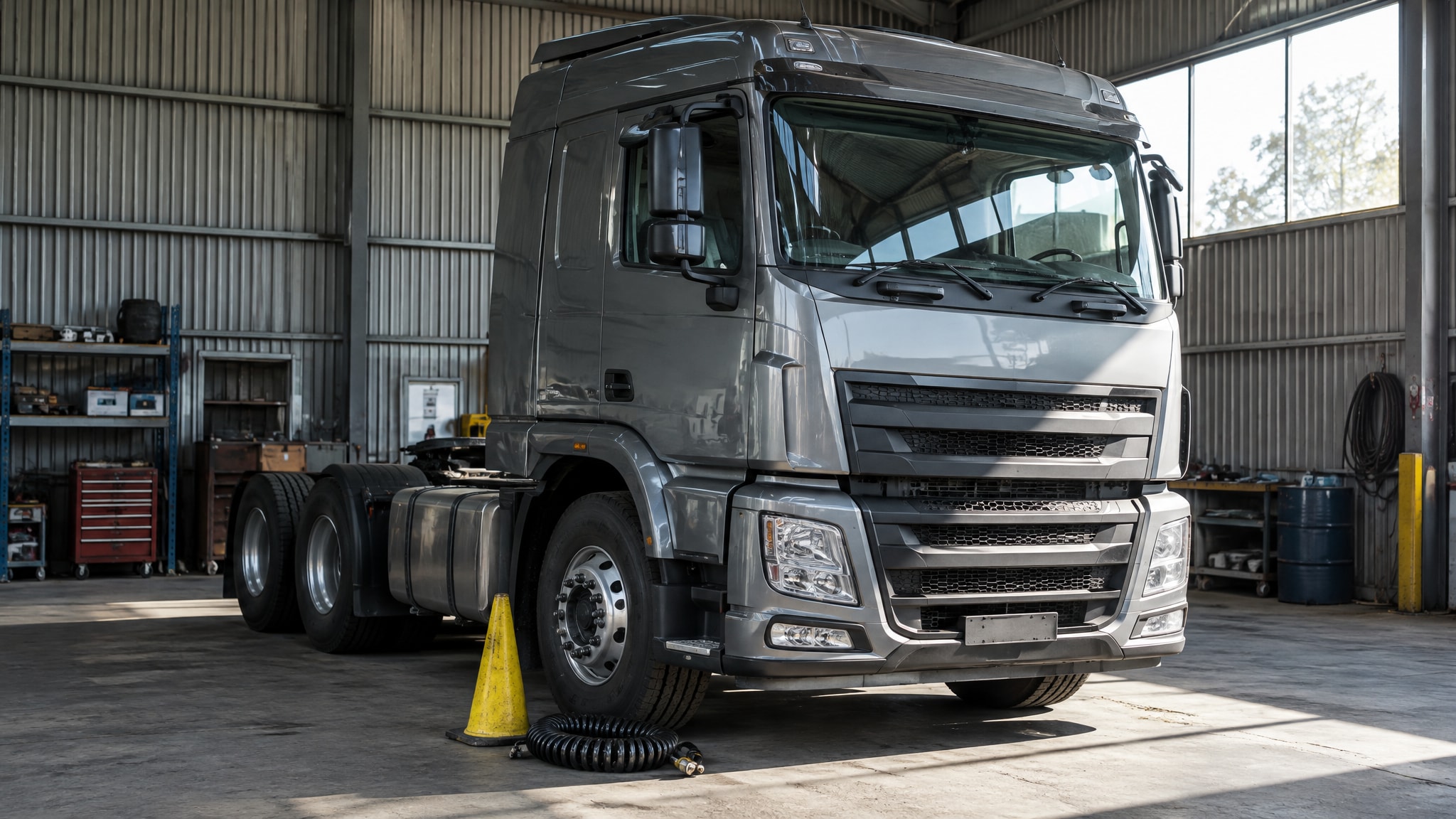
Take a transport business buying a new prime mover for $200,000 including GST. A chattel mortgage on that truck lets the business claim $18,182 in GST on its next Business Activity Statement, as confirmed by Equifund's comparison of chattel mortgage and finance lease structures. That $18,182 is immediate working capital relief that can cover insurance, registration or fuel costs in the same quarter as the purchase. Run the same deal through a finance lease or hire purchase arrangement, where the lender keeps title, and that GST credit gets claimed incrementally over the life of the agreement. The cash flow benefit can end up delayed by months, sometimes years, depending on the term.
Don't assume a chattel mortgage wins automatically. Weigh the timing advantage against your serviceability profile and security position first. Some lenders apply stricter assessment criteria to chattel mortgages precisely because ownership transfers immediately and the asset's resale value carries more weight as security. Businesses with complex trust structures, recent incorporation dates or variable income may find certain non-ownership equipment finance products offer an easier approval path, even with the delayed GST benefit. The trade-off is real: you give up immediate tax cash flow in exchange for broader lender acceptance and simpler paperwork under the alternative structure.
Repayment terms reflect the same ownership split, and it flows through to long-term cost. Standard chattel mortgage terms at major Australian lenders typically run two to five years, according to CommBank's commercial lending guidance, which tracks closely with the effective life depreciation schedules for most business vehicles and machinery. That's not a coincidence. It means your debt amortisation matches the asset's productive life, so you're not still paying off equipment that's already fully depreciated or replaced. Non-ownership products sometimes offer longer nominal terms because the lender carries the residual risk, but those extended terms can hide a higher effective cost once you factor in the missing upfront GST recovery and the ongoing rental treatment.
A chattel mortgage doesn't suit every business, GST advantage or not.
Businesses below the GST registration threshold, entities that can't claim full input tax credits because of mixed-use assets, or companies that want off-balance-sheet treatment for ratio management will often do better with a lease or hire purchase structure. Start with your accountant confirming your GST entitlement, then have your broker check which lenders actually accommodate your business structure under chattel mortgage policy. Don't assume one product is superior just because the tax timing looks better on paper.
Repayment Structures and Asset Security Differences
Security arrangements shape both approval speed and assessment flexibility in the equipment finance vs chattel mortgage decision. A chattel mortgage uses the asset itself as primary security, so the lender's exposure is tied to the vehicle or equipment's market value rather than requiring real property or director guarantees in every case. That asset-backed structure can mean faster credit decisions, because the lender's valuation and checks focus on the specific item being financed rather than a full review of unrelated business or personal assets. Specialist asset finance arrangements can achieve approval and settlement within 24 hours when structured around business income and asset strength, as shown in trailer finance case studies from Equifund, while fully documented bank facilities for unsecured equipment loans often take weeks to assess.
Your experience will differ a lot depending on whether you need capital fast or prefer lower ongoing costs through a traditional bank. Chattel mortgages work well when timing is critical and the asset provides enough security on its own, which suits owner-operators replacing essential equipment or businesses chasing a time-sensitive contract. Traditional bank equipment loans may offer slightly lower rates for borrowers with strong existing relationships and clean financials, but that rate advantage comes with longer processing and heavier documentation that can delay the purchase. Speed versus cost isn't really binary any more. Many specialist commercial lenders now offer competitive pricing alongside fast settlement, which has narrowed the historical gap between bank and non-bank asset finance.
Chattel mortgage assessment tends to focus on whether the asset is suitable security and whether the business can service that specific debt, rather than applying blanket turnover thresholds or profitability tests common in general business lending. That focus can give newer businesses, seasonal operators or businesses with unconventional revenue models a path to funding based on the merits of the transaction rather than historical financial performance alone. That flexibility doesn't mean approval is guaranteed, or that serviceability checks disappear. Responsible lenders still verify income is sufficient and look at exit strategies, particularly for specialised equipment with a thin secondary market. Expect to provide evidence of business activity, trading history and cash flow adequacy regardless of the product, though how much evidence and in what form varies between chattel mortgage specialists and mainstream banks.
Refinancing existing equipment debt adds another layer. If you currently hold a finance lease and want to move to a chattel mortgage to capture upfront GST benefits on future purchases, that transition needs careful coordination to avoid unintended tax consequences or breaching existing lease termination clauses. Going the other way, from a chattel mortgage into a lease, can make sense if your circumstances have shifted and off-balance-sheet treatment now matters more than immediate ownership. Get advice before you restructure. Security release, new loan establishment and GST implications interact in ways a generic online calculator won't model accurately.
Aligning Finance Structure With Capital Expenditure Trends
Investment data suggests Australian businesses are accelerating equipment acquisition, which makes getting the structure right more consequential than in previous cycles. Australian businesses committed an estimated $158.4 billion in new capital expenditure for 2026-27, up 7.3% on the previous year, according to ABS figures cited in Emu Money's analysis of hire purchase versus chattel mortgage options. That level of investment means the cumulative impact of choosing the wrong finance structure compounds quickly across multiple acquisitions. What looks like a minor product preference on one purchase can turn into a real working capital gap over successive quarters.
Treat your equipment finance vs chattel mortgage decision as part of your broader capital allocation planning, not a one-off transaction. If you're acquiring multiple assets through 2027, it's worth setting a consistent finance framework upfront that reflects your GST position, cash flow seasonality and balance sheet goals, rather than deciding fresh each time. It also positions you better with lenders, who prefer clients who manage capital with discipline over those borrowing reactively. Talk to us about your borrowing capacity and GST position before you submit applications, especially if you're planning sequential equipment upgrades or fleet expansion, where a consistent structure pays off in both admin and cash flow terms over time.
Frequently Asked Questions
What are the downsides of a chattel mortgage compared to other equipment finance options?
Chattel mortgages typically require the business to take immediate ownership, which means the asset appears on your balance sheet and may affect financial ratios or borrowing covenants. Some lenders apply stricter serviceability assessments because they rely heavily on the asset's resale value as security, potentially limiting access for newer businesses or those with variable income. Additionally, if your business cannot claim full GST input tax credits due to mixed-use assets or below-threshold registration, the primary cash flow advantage disappears entirely.
What are the key differences between a finance lease and a chattel mortgage?
Under a chattel mortgage, your business owns the asset from settlement and can claim the full GST credit upfront on its next BAS, whereas a finance lease keeps ownership with the lender until the end of the term. Lease payments are generally deductible as operating expenses, while chattel mortgage repayments combine interest deductions with depreciation claims on the owned asset. Finance leases may offer more flexible approval criteria for businesses with weaker balance sheets since the lender retains title and residual risk throughout the agreement.
Is equipment financing the same as equipment leasing?
No, equipment financing is a broad umbrella term covering multiple products including chattel mortgages, finance leases, hire purchases and commercial loans secured against assets. Equipment leasing specifically refers to non-ownership structures where the lender retains title during the term and the business pays rentals for usage rights. Using these terms interchangeably when researching or applying can lead to selecting a product whose GST treatment, balance sheet impact and repayment structure do not match your actual business requirements.